Your certificate
A personalised digital certificate with the name you choose.
Certificate of symbolic adoption
Your chosen name
has met
A wolf character
Meet a fictional character inspired by the wolf, and follow their gentle adventures through a story made to feel like yours.
The character is fictional. Membership includes story content and a personalised certificate.
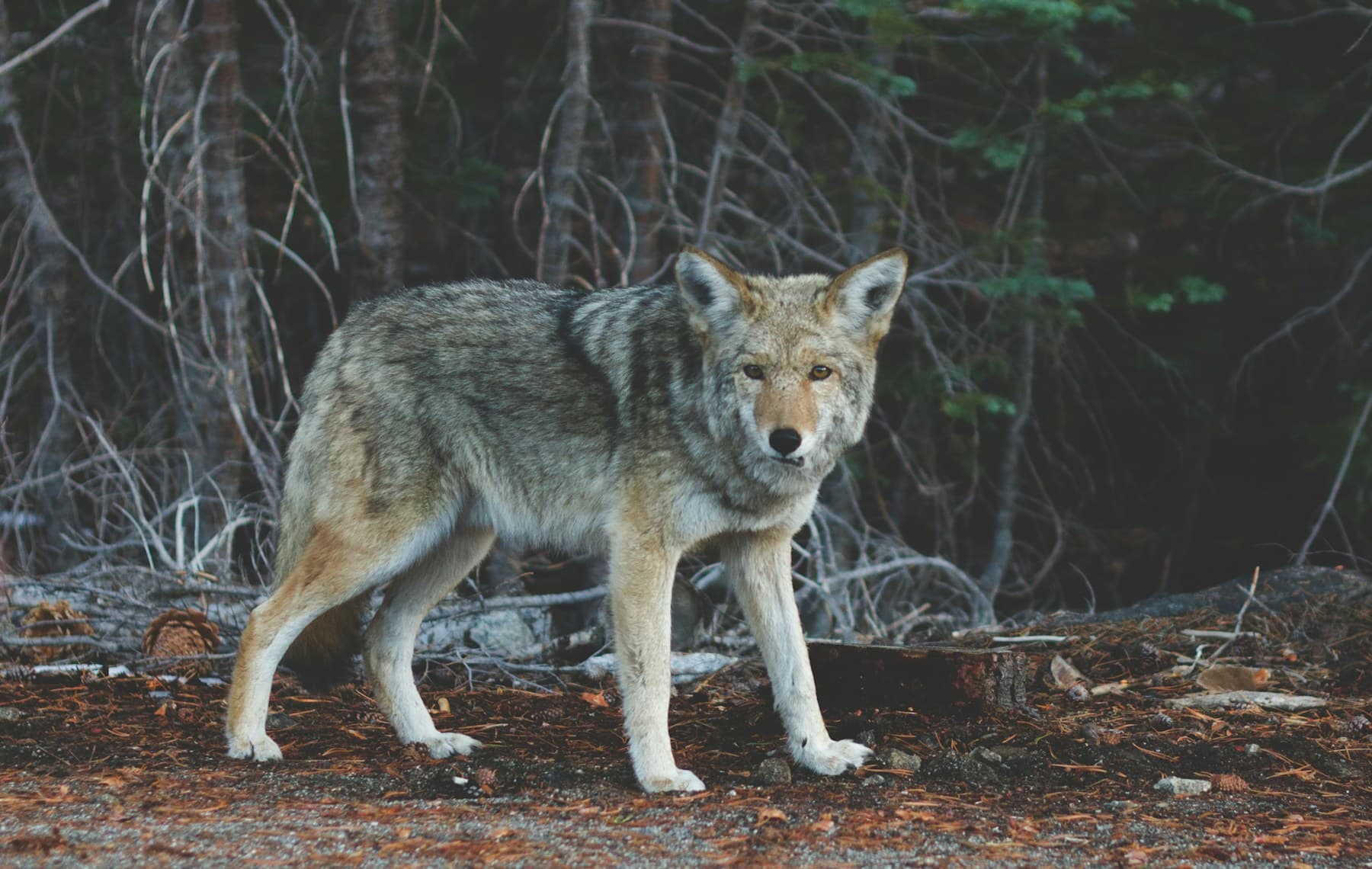
A personalised digital certificate with the name you choose.
Certificate of symbolic adoption
Your chosen name
has met
A wolf character
A made-up friend inspired by the real wolf.
Carefully sourced notes about the animal that inspired the story.
The character is made up. The species facts are sourced separately and shown with their references.
One species across very different places
The grey wolf (Canis lupus) has a broad distribution across parts of the Northern Hemisphere. Wolves inhabit a range of landscapes, including forests, mountains, tundra and open country. Their coat colour, body size, prey and relationship with people vary across this vast range, so a description of one local population should not be treated as a description of every wolf. Wolves are social animals, and many live in family groups often called packs. A group may travel over a large area in search of food. Wolves are carnivores; where available, large hoofed mammals can be important prey, while smaller animals and other food sources may matter in different places. Hunting patterns respond to local prey and landscape.
Source: WWF ↗Living alongside people
The major pressures on wolves differ by region. Habitat change, roads, persecution and conflict around livestock can influence local populations. Livestock protection, fair compensation systems where appropriate, and locally designed coexistence measures can help reduce conflict, but there is no single solution that works everywhere. The history and legal context of wolves also differ between countries. As predators, wolves interact with prey and other scavengers, but broad claims about their ecosystem effects need evidence from the particular landscape being discussed. Researchers use tracking, genetic analysis, camera traps and observations to study how wolves move and how populations change.
Source: WWF ↗Keep conservation claims local
A wolf may be recovering in one region and absent or under pressure in another. Conservation status and population estimates therefore need a named geography, source and date. This page avoids presenting a single worldwide number or treating regional trends as universal.
Source: WWF ↗Join the monthly story membership, add a name to the certificate and make it a gift with a short dedication.
Monthly membership: £9.99, billed each month. Cancel at any time in your membership account.
90% of each monthly payment will be transferred to International Animal Rescue to support protecting animals around the world
Personalise the certificate
No. It is a symbolic adoption of a fictional wolf character with a monthly story membership.
Yes. The membership is £9.99 per month, billed monthly.
90% of each monthly payment will be transferred to International Animal Rescue to support protecting animals around the world